Nerve Health Guide

What Are the Signs of Nerve Damage in Your Body?

Tingling hands, burning feet, or sudden weakness can feel confusing and worrying. Many people ignore these changes, hoping they will pass. Here are the warning signs, causes, and drug-free treatment options.

Medically reviewed by

Dr. David Martino, D.C.

Clinical Director, Texas Nerve and Spine

11 min read
Peripheral Neuropathy Foot Pain Numbness
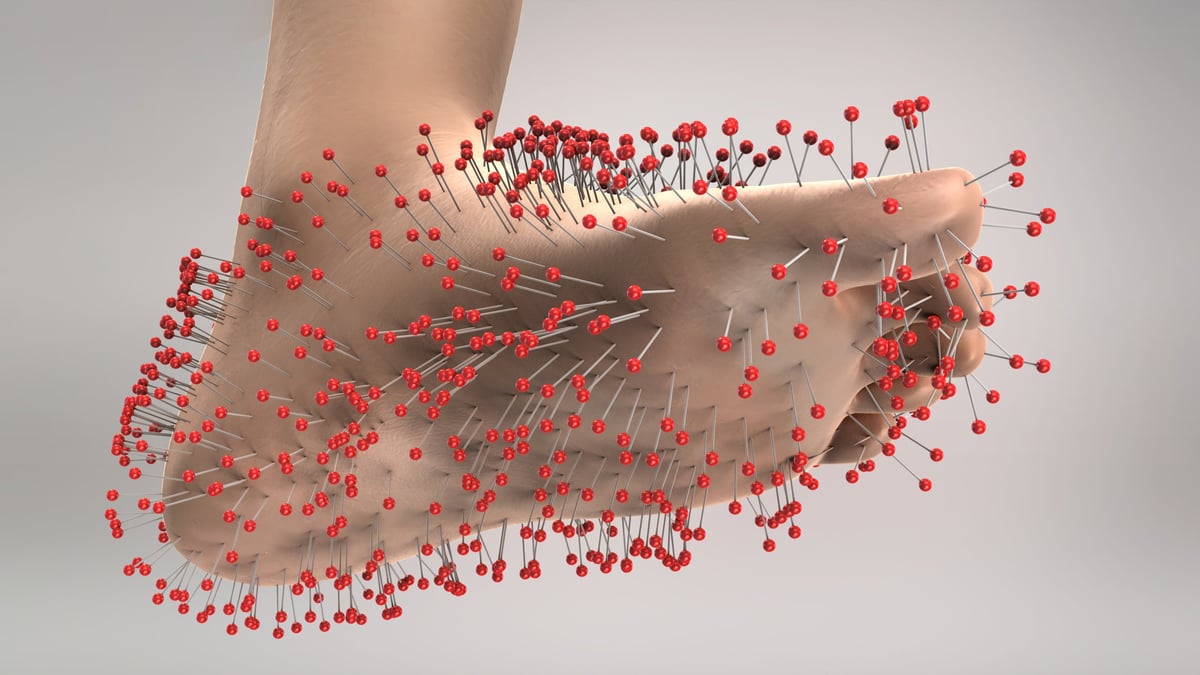
Burning, tingling, and numbness in the feet are among the earliest signs of nerve damage.

The short answer

The five most common signs of nerve damage are numbness and tingling, burning or shooting pain, muscle weakness, balance problems, and altered sensitivity to touch or temperature. If any of these persist for more than a few weeks, get evaluated — early nerve care is far more effective than waiting.

What Is Nerve Damage and How Does It Happen?

Nerve damage occurs when nerves are compressed, injured, or inflamed, disrupting signals between your brain and body. Diagnosis matters, and specialized nerve care can help stop symptoms from getting worse.

The nervous system controls sensation, movement, balance, and organ function. When nerves are damaged, messages slow down, scramble, or stop entirely — creating pain, numbness, and weakness that disrupt daily life. Understanding how the process works makes it easier to recognize symptoms and seek help sooner.

Diabetes and high blood sugar

High blood sugar damages small blood vessels that feed nerves, often causing numbness and burning in the feet and hands.

Nerve compression

Herniated discs, spinal stenosis, or carpal tunnel can squeeze nerves, leading to radiating pain, tingling, and weakness.

Injury and trauma

Car accidents, falls, sports injuries, or repetitive strain can stretch, crush, or sever nerves — causing immediate or gradual symptoms.

Inflammation and autoimmune disease

Conditions like lupus or rheumatoid arthritis trigger inflammation that irritates nerves and interferes with normal signals.

Lifestyle and nutrition factors

Aging, heavy alcohol use, and low vitamin B12 can gradually weaken nerve function and slow healing over time.

Most Common Signs of Nerve Damage You Shouldn't Ignore

Nerve damage appears in many forms. Watch for these warning signs, especially if they persist, worsen, or disrupt daily life.

1

Numbness and Tingling

Tingling sensations or areas that feel numb — especially in the hands, legs, and feet — are among the earliest and most common indicators of nerve trouble. Many people describe it as "pins and needles" that never quite goes away.

Learn more about numbness and tingling
2

Burning, Sharp, or Shooting Pain

Nerve pain often feels electric, stabbing, or burning, and may travel along a limb. Our local nerve and spine team sees these symptoms every day — and they rarely resolve on their own. Learn about our neuropathy treatment options.

3

Muscle Weakness and Twitching

Weak grip, dropped objects, foot drop, muscle twitching, or visible muscle shrinkage may indicate that damaged nerves are no longer sending signals to your muscles. Weakness is a red flag, not a sign of "just getting older."

Read about muscle weakness causes
4

Balance and Coordination Problems

Frequent stumbling, clumsiness, dizziness, or difficulty walking in the dark can occur when nerves that sense position and movement stop working correctly — raising fall risk significantly.

Balance and dizziness care
5

Sensitivity to Touch or Temperature

Some people feel pain from light touch, while others cannot sense hot or cold. Both extremes suggest nerves are misreading or missing important sensory information — and the second can lead to burns or injuries you don't notice.

If several of these signs sound familiar, do not wait for them to fade. Persistent symptoms deserve professional evaluation, because early attention often leads to better results and faster recovery. Keeping a simple symptom diary — noting when and where discomfort appears — can also help your provider understand what is happening.

Early Warning Signs vs. Advanced Symptoms

Nerve damage usually progresses gradually over time. Knowing early versus advanced symptoms helps you decide when to seek professional care.

Early Stage

Occasional tingling or numbness

Mild tingling or fleeting numbness may seem harmless. Talk to our team if it keeps returning or lasts several weeks. At this stage, nerves may be irritated rather than severely damaged, so treatment can be simpler and recovery usually faster.

Mild stiffness and fatigue

Affected muscles may feel unusually tired, tight, or heavy. Odd sensations might appear only at night or after long sitting. Because these signs are subtle, people often dismiss them as stress or aging.

Advanced Stage

Constant pain and numbness

Pain, burning, or numbness that never goes away often means nerves have been irritated or compressed for a prolonged period. Constant symptoms can seriously disturb sleep, limit work, and affect mood.

Weakness, muscle loss, and falls

Severe weakness, muscle wasting, or repeated falls suggest advanced nerve involvement. These symptoms should never be ignored or handled alone.

Recognizing which stage you are in helps guide the right treatment plan, so track your symptoms and share changes with your provider promptly.

How Nerve Damage Is Diagnosed

Accurate diagnosis is the foundation of effective care. A thorough evaluation identifies the affected nerves, likely cause, and overall severity.

Detailed medical history

Your provider asks when symptoms began, what worsens them, and whether you have diabetes, past injuries, or family nerve problems. This conversation reveals patterns, triggers, and risk factors that guide every next step — so share every detail, even minor ones.

Physical and neurological exam

Testing reflexes, muscle strength, sensation, coordination, and balance helps pinpoint where signals are disrupted and which nerves may be involved. These simple checks are usually painless and quick, yet they provide clues about the location and extent of nerve dysfunction.

Imaging studies

MRI or other imaging can reveal herniated discs, spinal narrowing, or tissue changes pressing on nerves and causing your symptoms. Imaging is not always necessary, but when symptoms are severe or unclear, it shows structures surrounding your nerves in detail.

Nerve function testing

Specialized tests, including nerve conduction studies and electromyography (EMG), measure how quickly and strongly electrical signals travel through nerves and muscles. Results confirm whether damage exists, how severe it is, and whether the problem involves nerve roots, peripheral nerves, or muscle.

Once testing is complete, your provider can explain the findings clearly and recommend a care plan that fits your condition and goals.

Drug-Free, Non-Surgical Treatment Options

Many people want relief without medication or surgery. Modern therapies can calm irritated nerves, improve function, and support natural healing.

The Brain-2-Body Program

This signature program begins with an assessment mapping how your brain and nervous system communicate and where signals are disrupted. Personalized therapies work to retrain nerve signals step by step, aiming to restore function and deliver lasting relief without drugs.

Laser Therapy

Laser therapy uses focused light that penetrates deep tissue, helping reduce inflammation, ease pain, and encourage repair around irritated nerves. Sessions are comfortable for most people, and laser therapy is often combined with other treatments to support overall nerve recovery.

Spinal Decompression Therapy

Spinal decompression gently stretches the spine to relieve pressure on discs and nerves, which may help sciatica and radiating pain. By creating space around compressed structures, this treatment aims to improve nerve function without surgery, injections, or medication.

Neuromuscular Re-Education Therapy

This therapy retrains the connection between nerves and muscles through carefully guided movement, helping restore lost strength, coordination, and balance. It is especially useful when weakness or poor balance lingers, because repeated practice helps your brain and muscles communicate better.

When to Seek Emergency Care

Most nerve symptoms can wait for a scheduled appointment. Some cannot. Seek urgent medical attention right away if you experience any of the following:

  • Sudden weakness in an arm, leg, or one side of the body
  • Loss of bladder or bowel control, or numbness in the groin and inner thighs
  • Numbness that spreads rapidly or affects both legs at once
  • Severe pain after an accident or fall, especially with a known spinal injury

These signs can indicate cauda equina syndrome or another serious spinal emergency. Delaying care by even a day can cause permanent damage.

Frequently Asked Questions

Common questions about the signs and symptoms of nerve damage.

Take the next step

Trusted Nerve Care at Texas Nerve and Spine

Nerve damage is often manageable when addressed early. Texas Nerve and Spine provides personalized, drug-free, non-surgical care in Sugar Land, helping patients pursue lasting relief and renewed confidence in everyday movement. Your nerves deserve expert attention — don't let symptoms control your life.

Non-surgical care Drug-free therapies Serving Sugar Land, Katy & Richmond