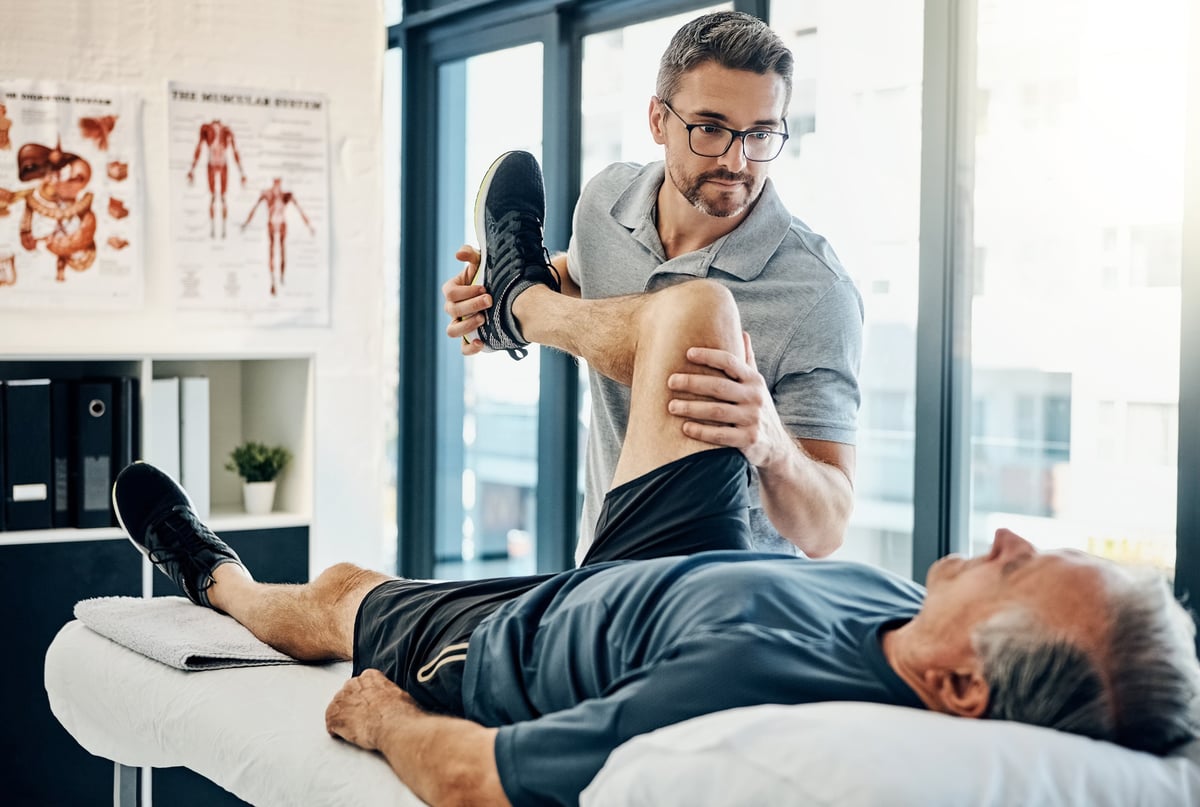
Whether you're a weekend warrior, a high-school athlete, or someone who simply twisted an ankle walking the dog, a sports injury can sideline you fast. The good news: most common sports injuries don't require surgery — they require the right diagnosis and the right recovery plan.
Sports injuries generally fall into two categories: acute injuries that happen suddenly, and overuse injuries that build up over time. Both respond well to non-surgical care when addressed early.
Stretched or torn ligaments (sprain) and muscles or tendons (strain) — most often in the ankle, knee, wrist, and lower back.
Inflammation of a tendon from repetitive motion — tennis elbow, golfer's elbow, Achilles, and rotator cuff tendinitis.
Knee, shoulder, hip, and ankle pain from impact, instability, or cartilage irritation.
Pinched nerves from swelling or injury that cause shooting pain, numbness, or weakness.
Rest and ice can calm things down in the short term, but they don't fix the underlying problem. When tissue doesn't heal properly, you get scar tissue, joint stiffness, and a higher chance of re-injury. That's why a structured recovery plan — one that restores strength, mobility, and nerve function — matters so much.
SoftWave & Shockwave Therapy
Acoustic waves stimulate blood flow and cellular repair in tendons, ligaments, and muscle.
Laser Therapy
Reduces inflammation and speeds healing without medication or downtime.
Motor Function & Neuromuscular Re-Training
Rebuild strength, balance, and coordination so you return stronger than before.
Cryo Therapy
Targeted cold therapy to control pain and swelling during the acute phase.
When to See a Specialist
If you have swelling that won't go down, pain that lasts more than a week or two, numbness or tingling, or an inability to bear weight or use the limb normally, it's time to get evaluated. Early care almost always means a faster return to activity.
At Texas Nerve and Spine in Sugar Land, we help athletes and active adults recover from injury using advanced, non-surgical therapies. Let's build your comeback plan.
Back to Blog